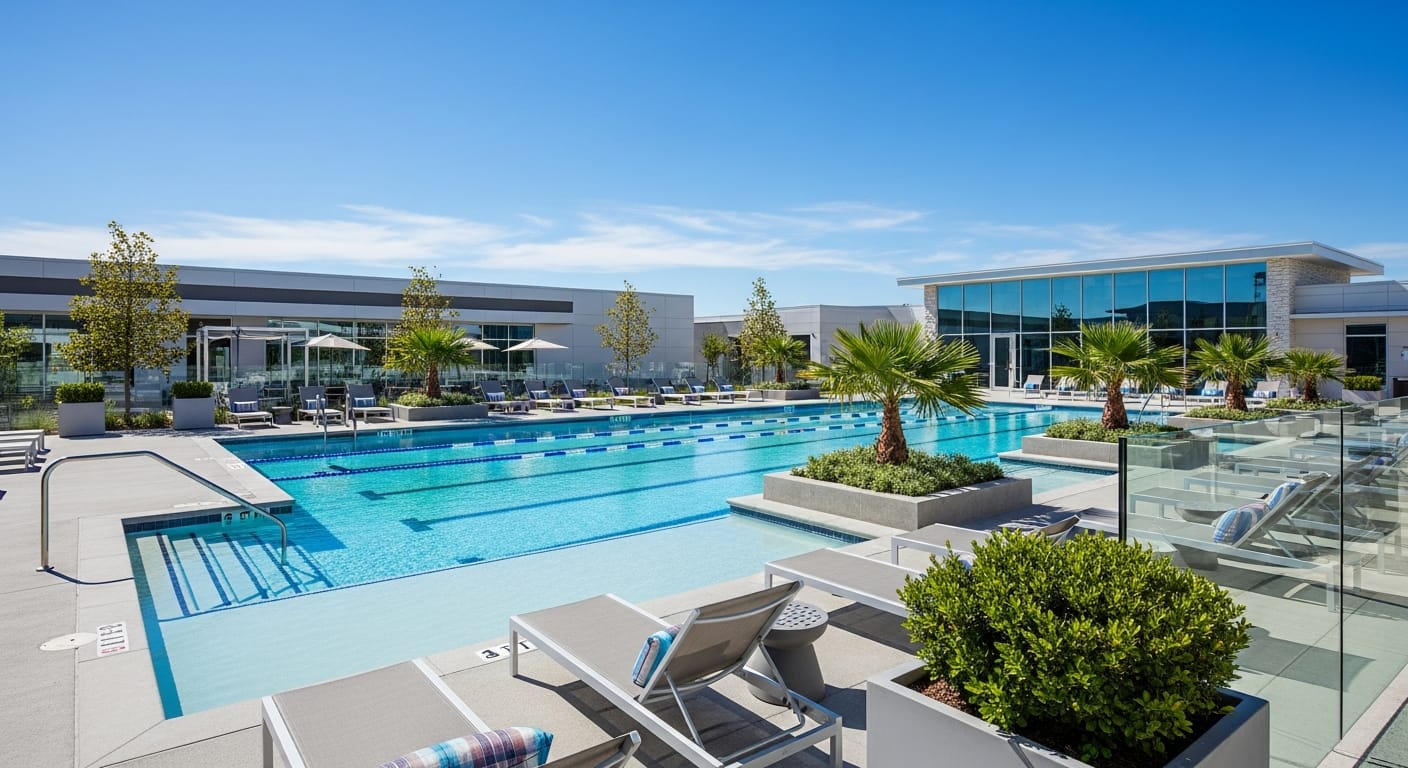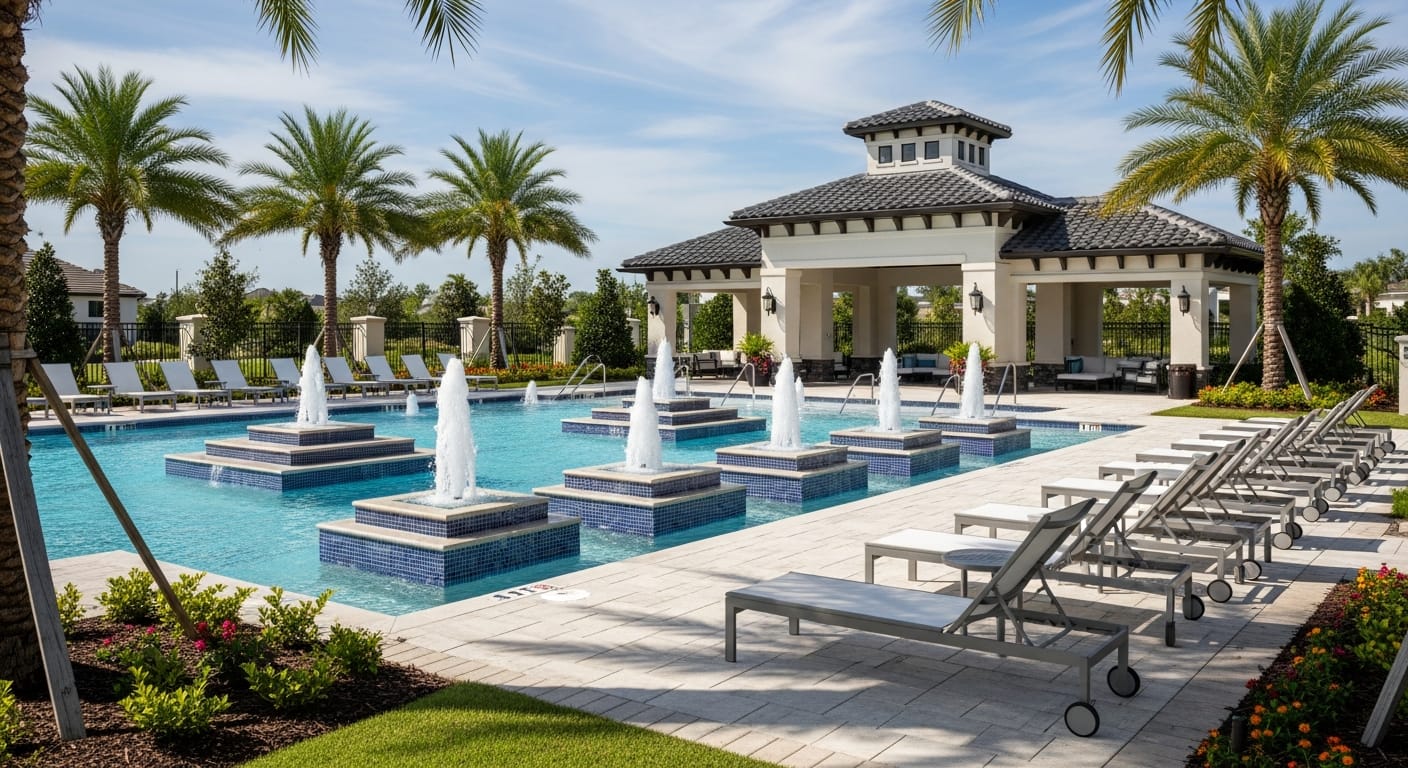
Commercial and public pools in Texas are held to strict health and safety standards, and for good reason: they serve the public and carry real liability. For property managers and HOA boards, staying compliant is not optional, and a failed inspection can mean a closed pool. Here is an overview of what compliance involves and how maintenance supports it.
Why commercial pools are regulated
Because public and shared pools serve many people, they are subject to health and safety regulations that backyard pools are not. The rules exist to protect swimmers from waterborne illness, drowning, and injury, and they apply to HOA, apartment, hotel, gym, and other shared pools.
For the property, compliance is about more than passing an inspection; it is about safety and liability. A well-maintained, compliant pool protects residents and guests and protects the property from the consequences of an incident or a shutdown.
What inspectors look at
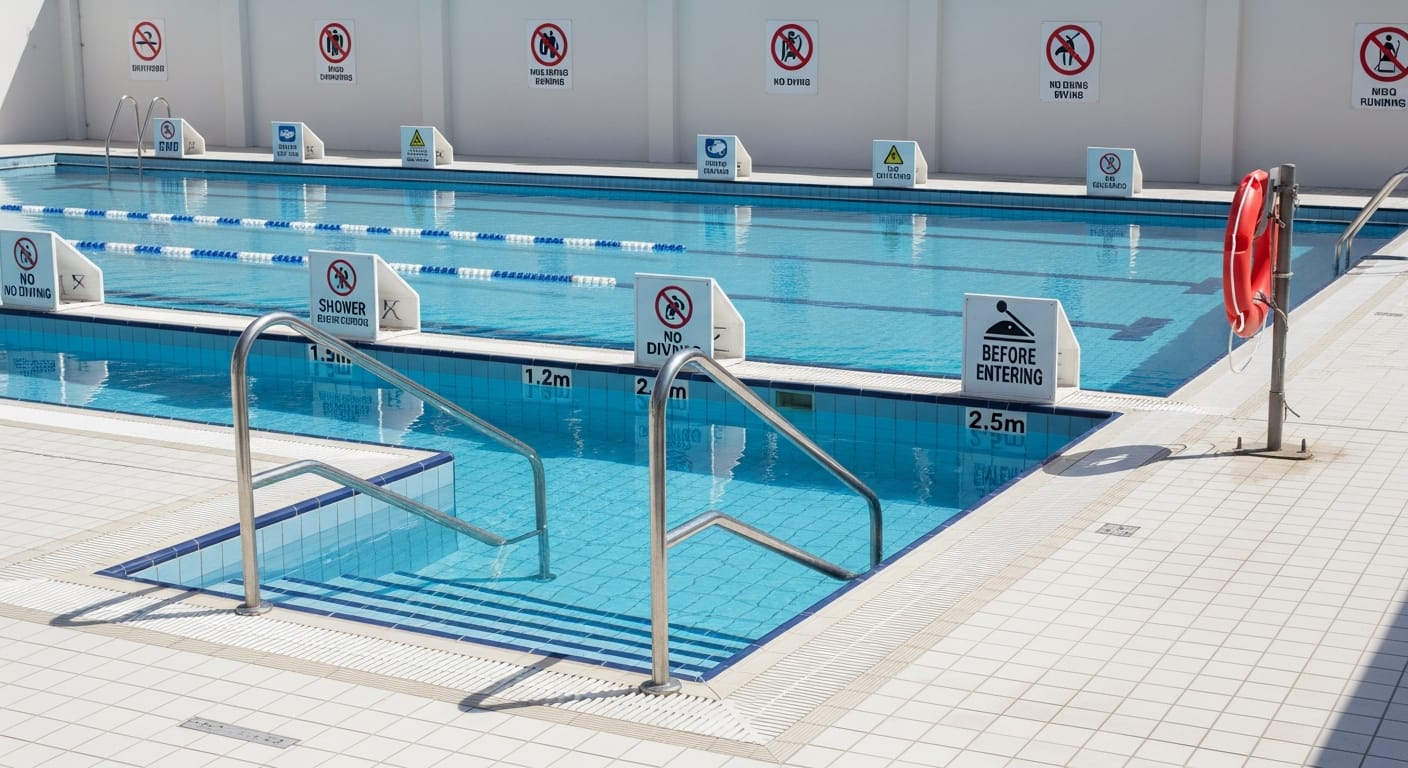
Health inspections typically focus on water chemistry and sanitation, water clarity, proper circulation and filtration, and required safety equipment and signage. Inspectors want to see that the water is safe and that the pool is being maintained and documented properly.
Safety features matter too, including things like proper barriers, depth markings, and required equipment. The specifics are governed by state and local rules, and an experienced commercial service knows what those expectations are in our area.
How maintenance keeps you compliant
Consistent, professional maintenance is the foundation of compliance. Keeping chemistry and sanitation in the required range at all times, maintaining clarity, and ensuring circulation and filtration work properly are exactly what inspections are checking for.
Documentation is the other half. Service logs that record what was done and when give you a paper trail to demonstrate proper care, which is valuable both for inspections and for accountability to boards and management.
Staying inspection-ready year-round
A practical approach is to treat the pool as inspection-ready at all times rather than scrambling before a visit. Consistent maintenance and record-keeping mean an inspection is just confirmation of what is already being done correctly.
Our commercial maintenance is built around keeping pools clean, safe, and inspection-ready, with the documentation property managers and boards rely on. We help keep your pool open through the busy season without compliance surprises.