Losing water is one of the most common and most frustrating pool problems. A leak wastes water, drains chemicals and money, and can undermine the structure or decking around your pool if left unaddressed. The challenge is that leaks are often hidden. Here is how to tell if your pool is leaking and how professionals find the source.
Is it a leak or just evaporation?
All pools lose some water to evaporation, especially in the Texas heat, so the first step is figuring out whether your loss is normal. A simple bucket test compares the pool's water loss to a bucket of water sitting on the steps; if the pool drops faster, you likely have a leak.
Other red flags include constantly needing to add water, soggy or eroding spots around the pool, cracks in the deck, air bubbles from return jets, and a noticeable drop in water level over a day or two. These signs warrant a closer look.
Where pool leaks happen
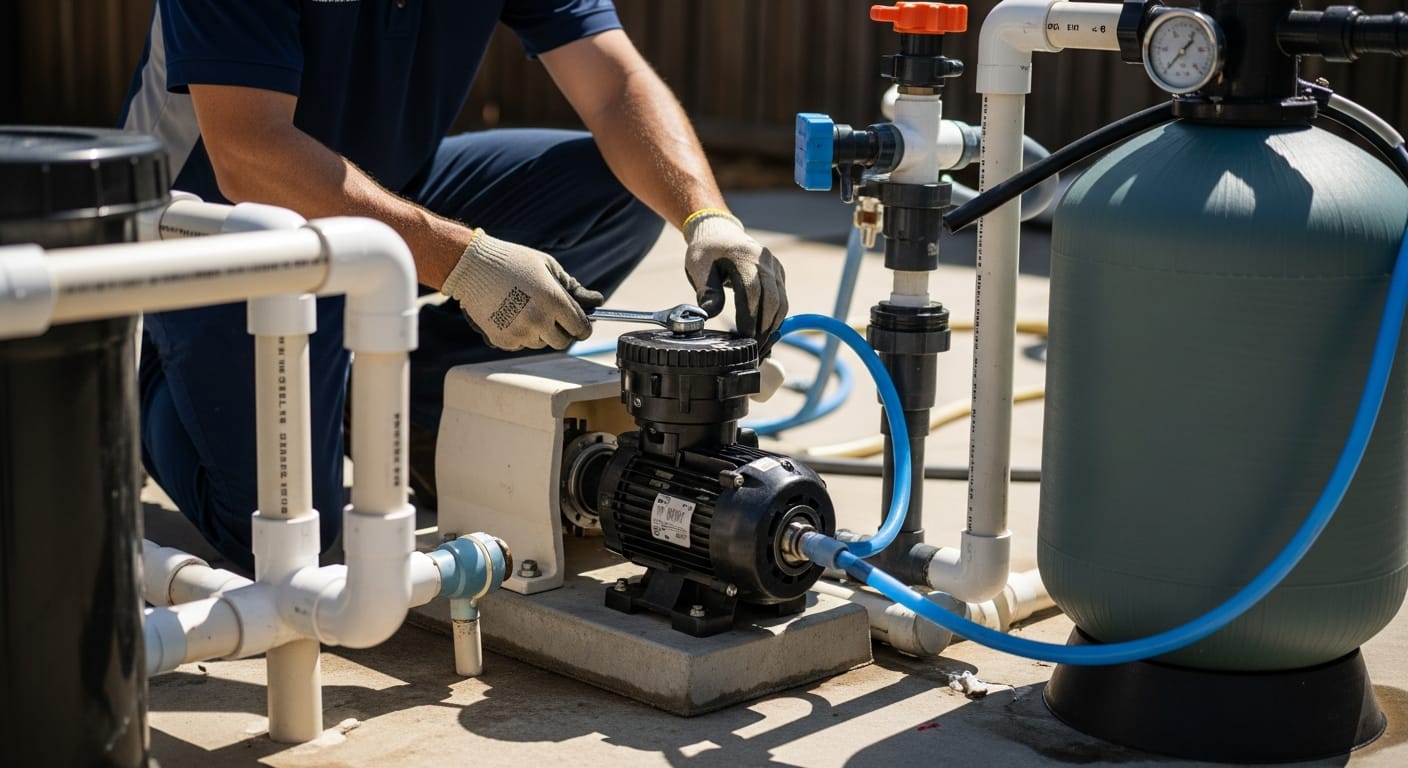
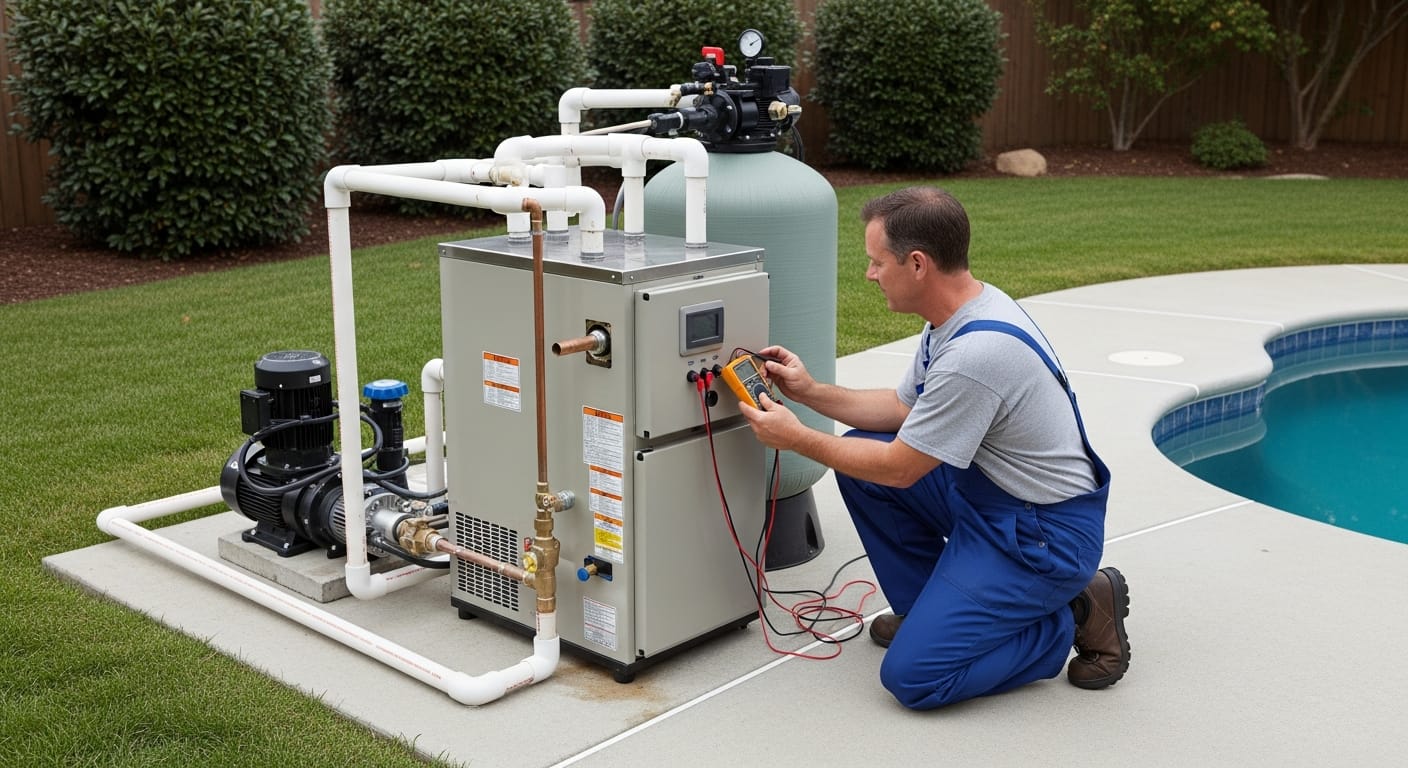
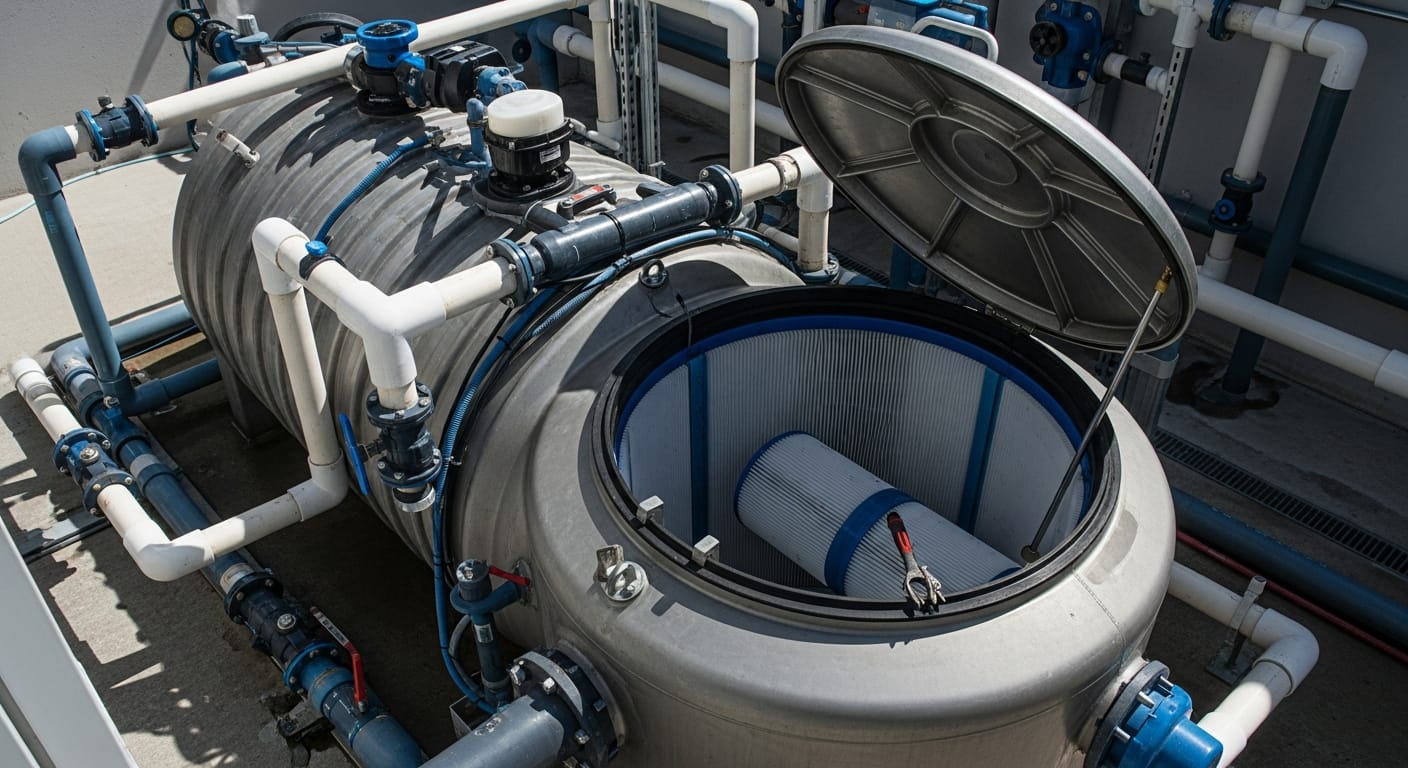
Leaks generally fall into three categories: the plumbing (underground supply and return lines), the shell or structure (cracks, the skimmer, light niches, and fittings), and the equipment pad (pump, filter, heater, and valves). Each requires a different approach to find.
Equipment leaks are often visible at the pad, but plumbing and structural leaks can be completely hidden underground or underwater, which is why specialized detection is needed rather than guesswork.
How professional leak detection works
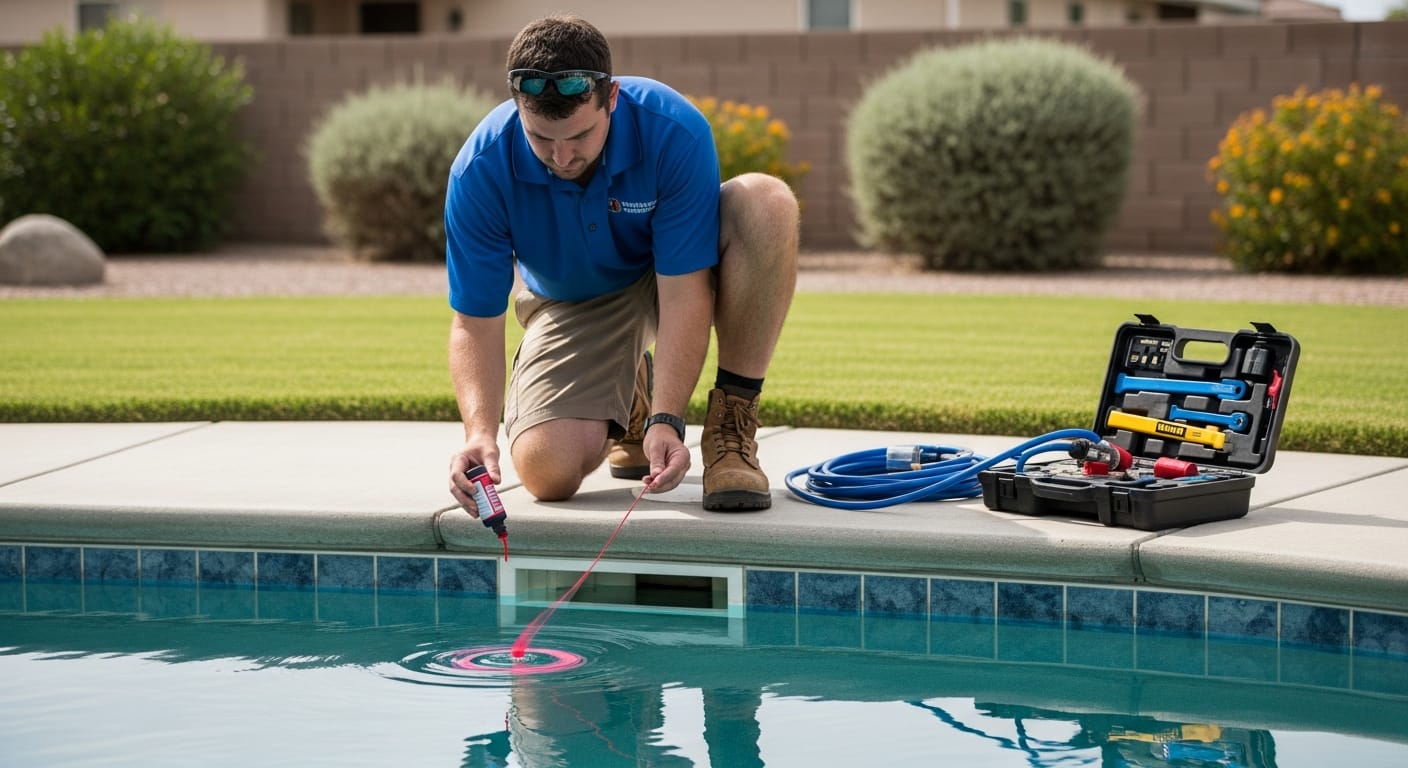
Professionals use a combination of methods, including pressure-testing the plumbing lines, dye testing around fittings and suspected cracks, and listening equipment that can pinpoint underground leaks without digging up the whole yard.
The goal is to find the exact source before any repair, so the fix is targeted and you are not paying to tear out plumbing or decking unnecessarily. Accurate detection saves money on the repair itself.
Fixing the leak
Once the source is found, repairs range from sealing a fitting or patching the shell to repairing or rerouting a section of plumbing. The right repair depends entirely on where and what the leak is, which is why detection comes first.
We offer leak detection and repair across Dallas–Fort Worth, pinpointing where water is escaping and fixing it so you stop losing water and chemicals. If you suspect a leak, the sooner it is found, the less it tends to cost.
Need a Repair?
Call Lucent Pools at 817-339-6770. Fort Worth & DFW — diagnose on site; same day or next day when parts and schedule allow.