
Saltwater pools have become the standard for new construction, and many owners of older chlorine pools want the same gentler, lower-maintenance swimming experience. The good news is that converting an existing pool to saltwater is usually straightforward and can be done as part of a remodel or on its own. Here is how saltwater systems actually work and what to expect from a conversion in Dallas–Fort Worth.
How a saltwater pool really works
A common misconception is that saltwater pools are chlorine-free. They are not. A saltwater pool uses a salt chlorine generator (a salt cell) that converts dissolved salt into chlorine automatically through electrolysis. You still sanitize with chlorine, but the system produces it continuously instead of you adding it by hand.
The salt level is very low, far less salty than seawater and closer to the gentleness of a teardrop. The result is softer-feeling water, no harsh chlorine smell, and far less hands-on chemical dosing.
The benefits and the trade-offs
The benefits owners love most are gentler water that is easier on skin, eyes, and swimsuits, more stable day-to-day chlorine levels, and dramatically less time spent handling chlorine. Many families simply find saltwater more pleasant to swim in.
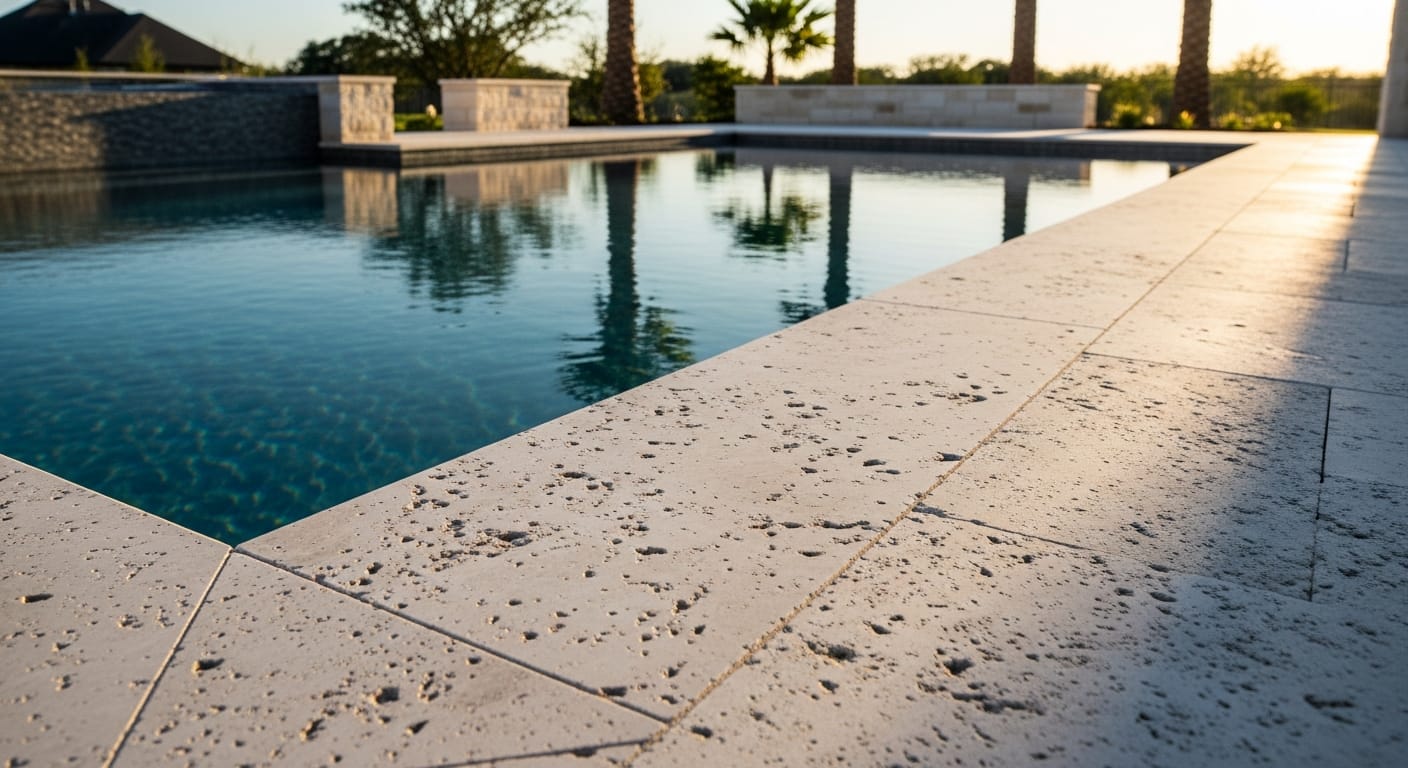
The trade-offs are honest ones: the upfront cost of the generator, the periodic replacement of the salt cell every several years, and the need to keep an eye on salt and water chemistry. Salt can also be tougher on certain natural stone and metal fixtures, which is something we account for during conversion.
What a conversion involves and costs
Converting an existing pool generally means installing a salt chlorine generator and cell at the equipment pad, wiring it in, adding the correct amount of pool-grade salt, and balancing the water. For most standard residential pools it is a relatively quick upgrade.
The cost is driven mainly by the generator system sized to your pool's volume and any related equipment updates. It is an especially smart time to convert if you are already remodeling or upgrading your equipment pad, since the labor overlaps. We will recommend a properly sized system and handle the full conversion and startup.
Ready to start your project?
Schedule a free on-site consultation and we will help you plan a pool built for your backyard and budget.
Get a Free Quote