Every pool surface has a lifespan. The plaster, pebble, or quartz interior that looked flawless on day one slowly wears under sun, chemicals, and constant water contact. Resurfacing, often called replastering, is the process of removing the old interior and applying a fresh finish, and it is one of the most important remodels you can do to protect your pool and restore its beauty. Here is how to know when it is time and what to budget in Dallas–Fort Worth.
Signs your pool needs resurfacing
The clearest signs are visual and tactile. Rough, sandpaper-like surfaces that scrape feet, persistent stains that will not brush away, and a chalky residue on swimsuits all point to a finish that is breaking down. Flaking, spalling, or exposed darker patches mean the surface has worn through in spots.
Other red flags include hairline cracks (crazing) spreading across the plaster, rust-colored spots where rebar is bleeding through, and a pool that keeps losing water despite no obvious plumbing leak. If your finish is past roughly 10 to 15 years old and showing these symptoms, resurfacing is likely overdue.
What resurfacing actually involves
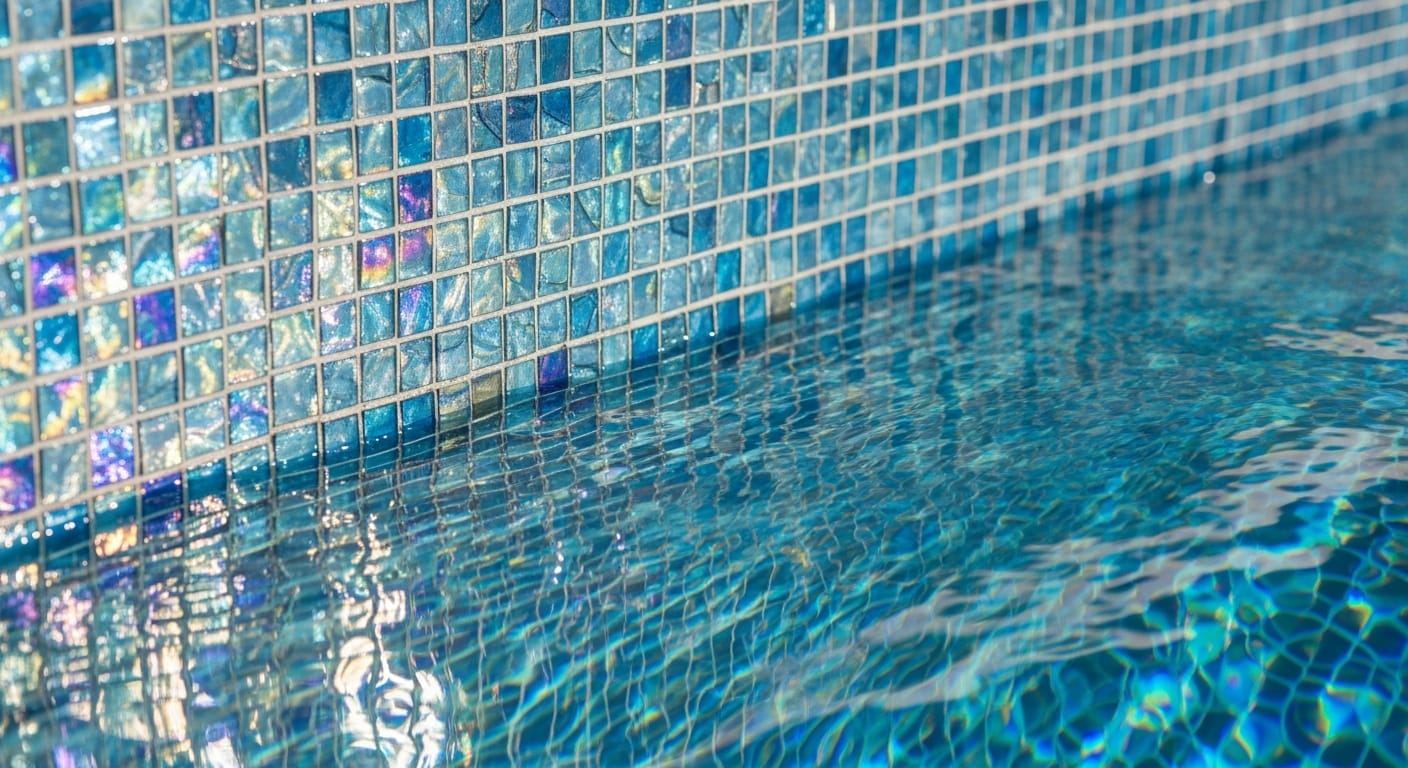
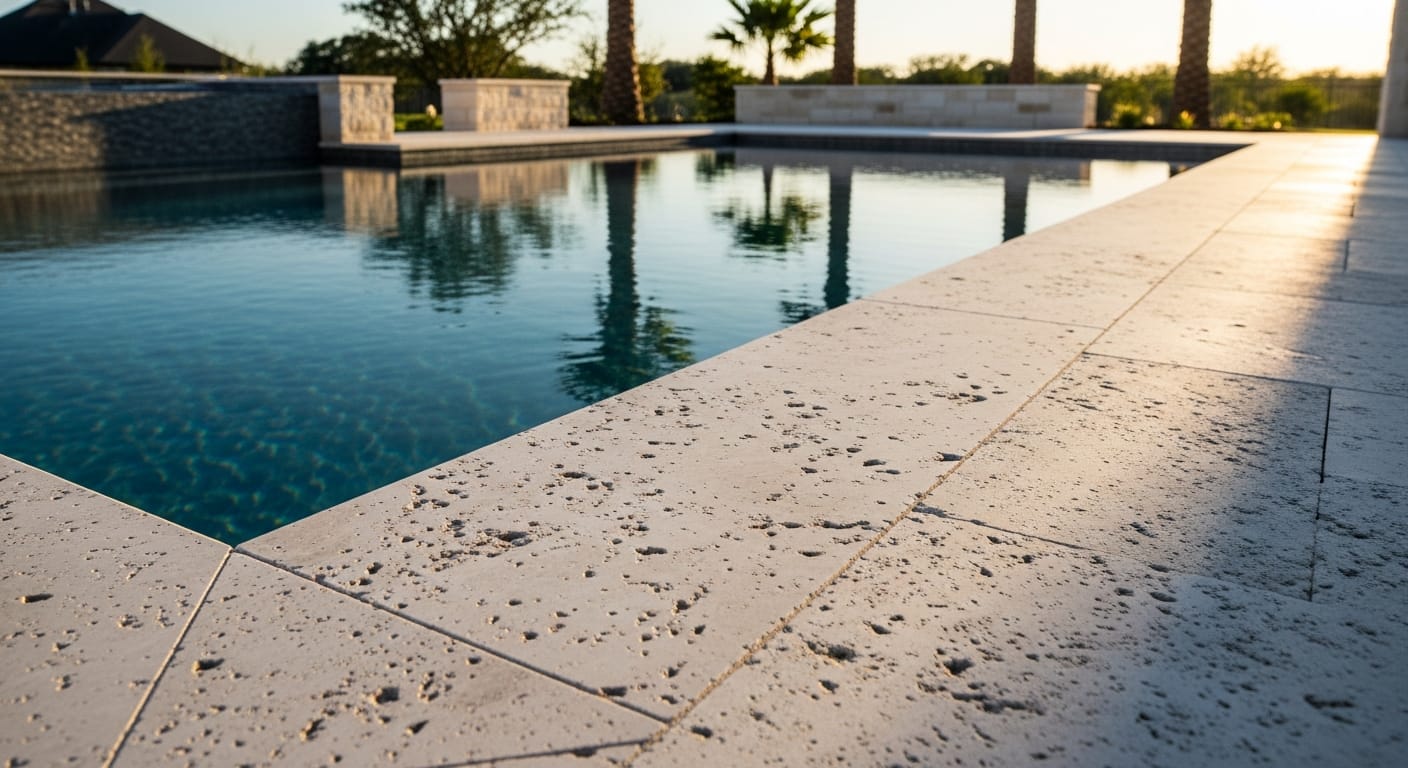
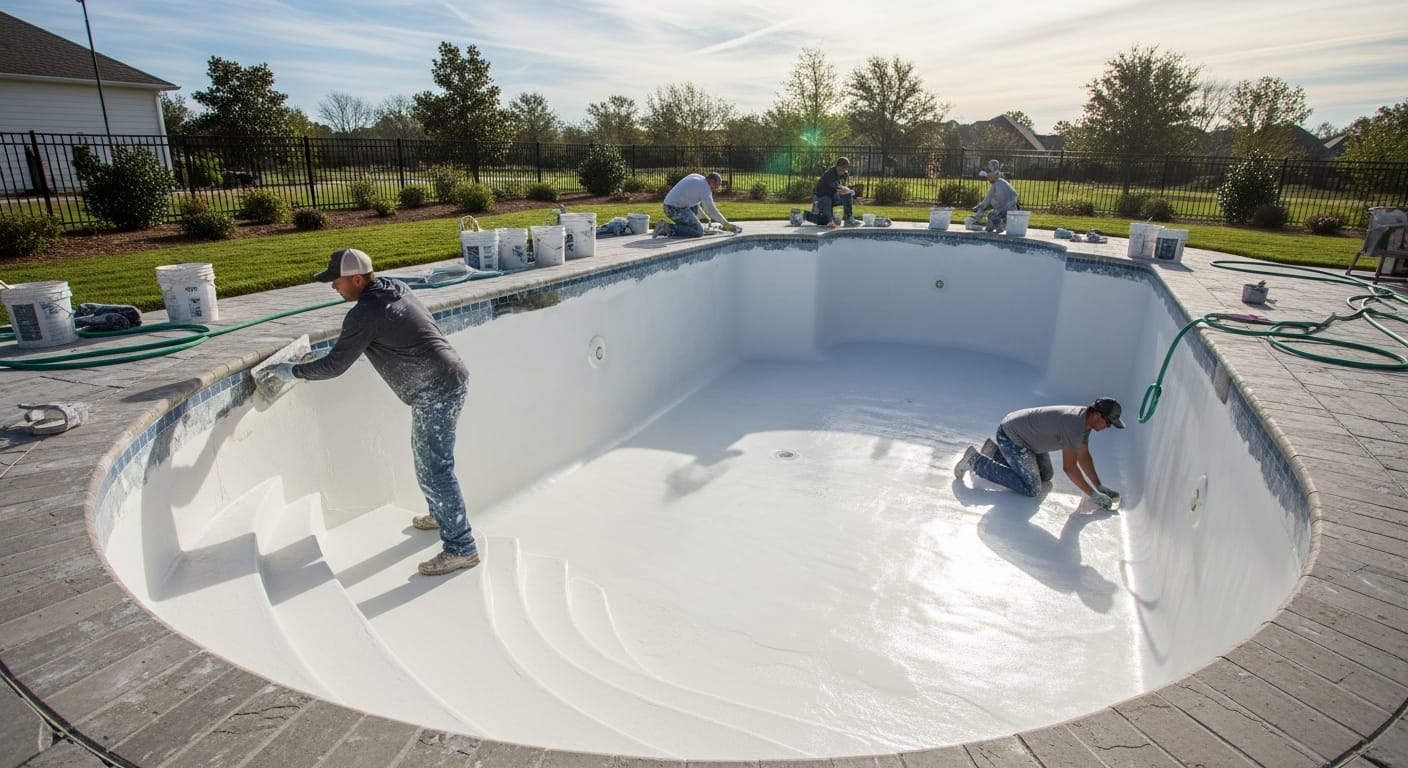
Resurfacing is more than a cosmetic coat. We drain the pool, remove the failing surface, prepare and repair the shell, and apply a new interior finish bonded to the structure. It is often combined with new waterline tile and fresh coping, since the pool is already drained and the team is on site, which makes the whole pool look and feel brand new.
Done correctly, a resurface also addresses the underlying issues that caused the failure, such as chemistry imbalances or minor shell cracks, so the new finish lasts its full expected life rather than failing early.
What it costs in Dallas–Fort Worth
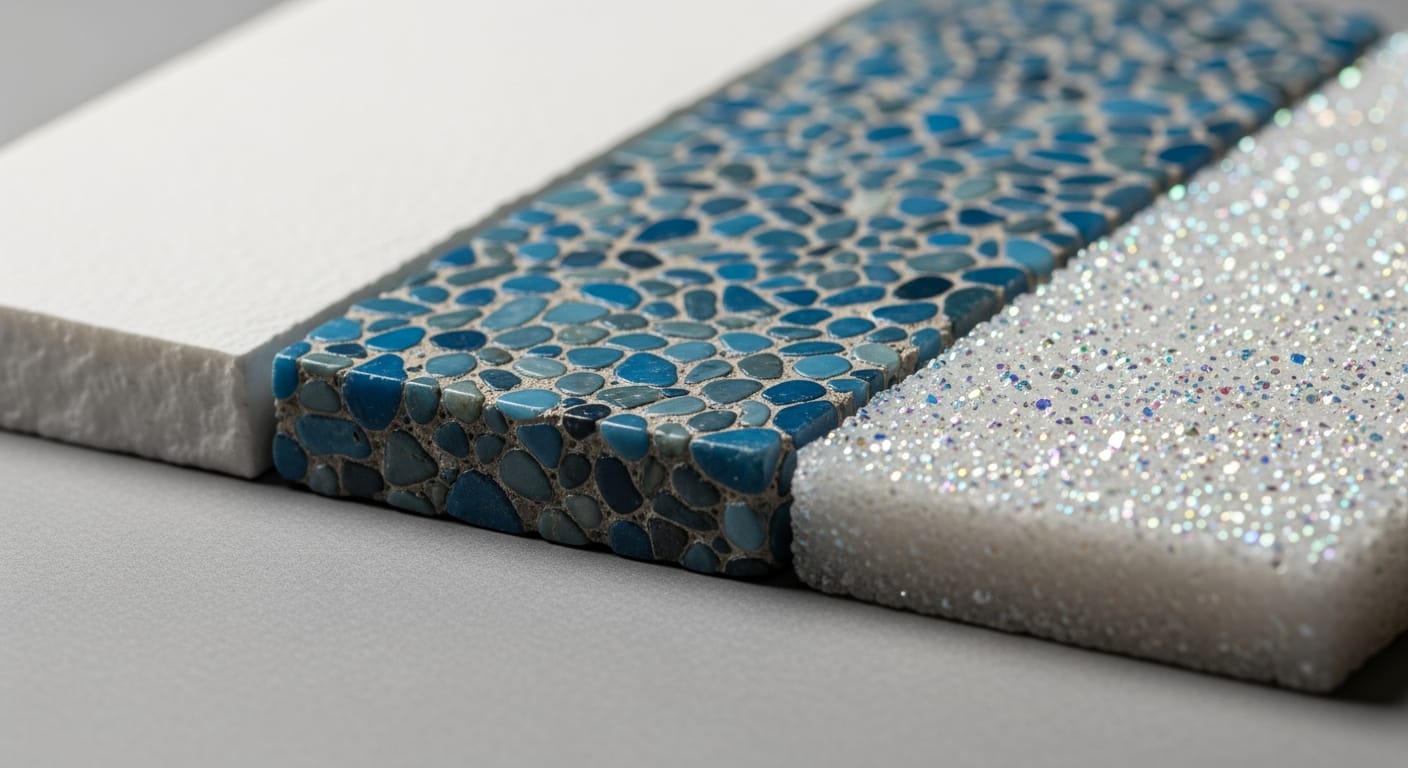
Cost depends mostly on the size of your pool and the finish you choose. A standard white plaster resurface is the most affordable option and is a solid choice for a clean, classic look. Upgraded finishes such as quartz or pebble aggregate cost more but last longer and resist staining better, which often makes them the better long-term value.
Add-ons move the number: new tile, coping, additional shell repairs, and feature work all add to the project. The most accurate way to budget is an on-site evaluation, where we measure your pool, inspect the shell, and give you a transparent line-item quote rather than a vague ballpark.
How long a new surface lasts
A quality plaster finish generally lasts around 7 to 12 years, while quartz and pebble finishes can last 15 to 20 years or more with proper water chemistry. The single biggest factor in longevity is balanced water, so we will leave you with maintenance guidance to protect your investment.
Resurfacing at the right time, before the shell itself is damaged, is far cheaper than waiting until water intrusion compromises the structure. If you are seeing the warning signs, it is worth getting an evaluation sooner rather than later.
Ready to start your project?
Schedule a free on-site consultation and we will help you plan a pool built for your backyard and budget.
Get a Free Quote