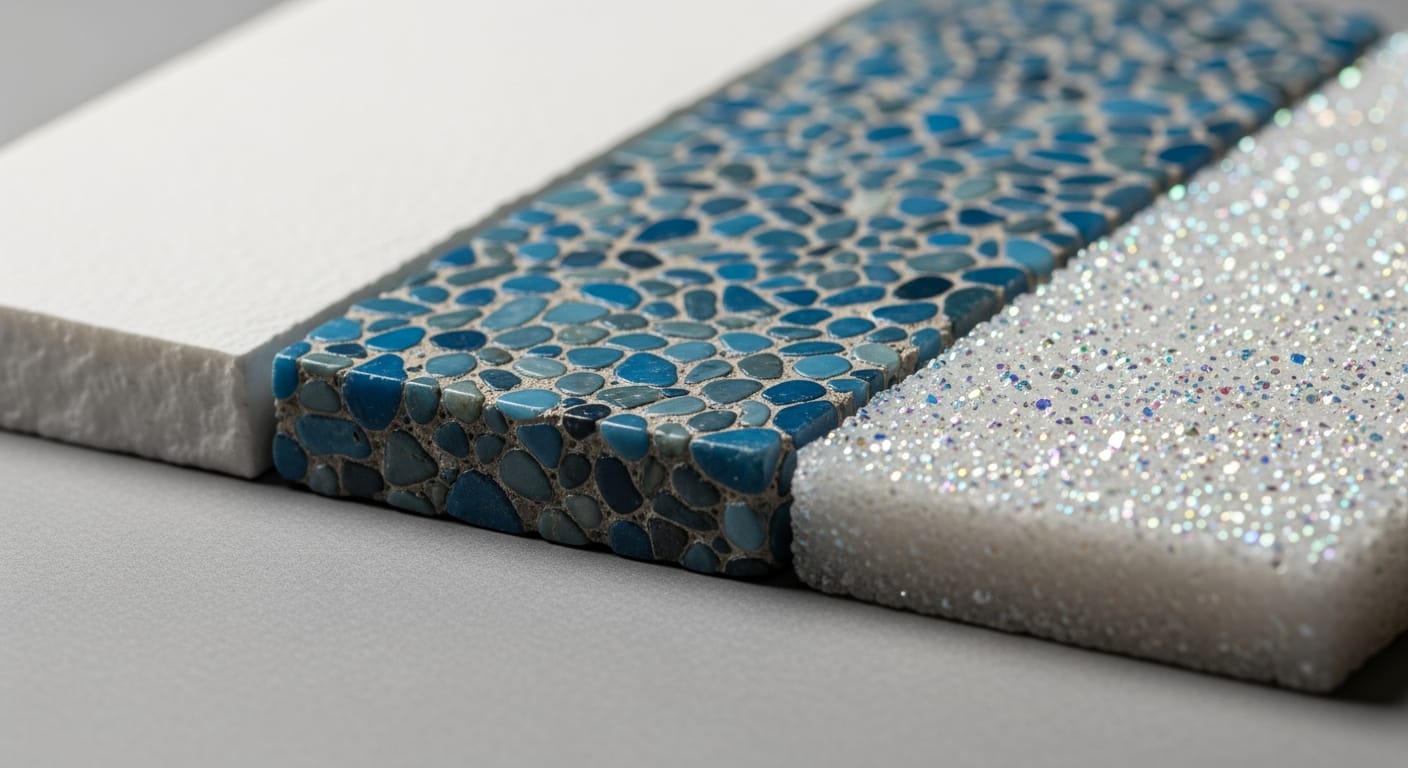
When you resurface a pool, the biggest decision is the interior finish. It determines the color of your water, how the surface feels underfoot, how long the surface lasts, and a meaningful chunk of the cost. The three main families are plaster, pebble, and quartz, and each suits a different priority. Here is an honest comparison to help you choose the right one for your Dallas–Fort Worth pool.
Traditional white plaster
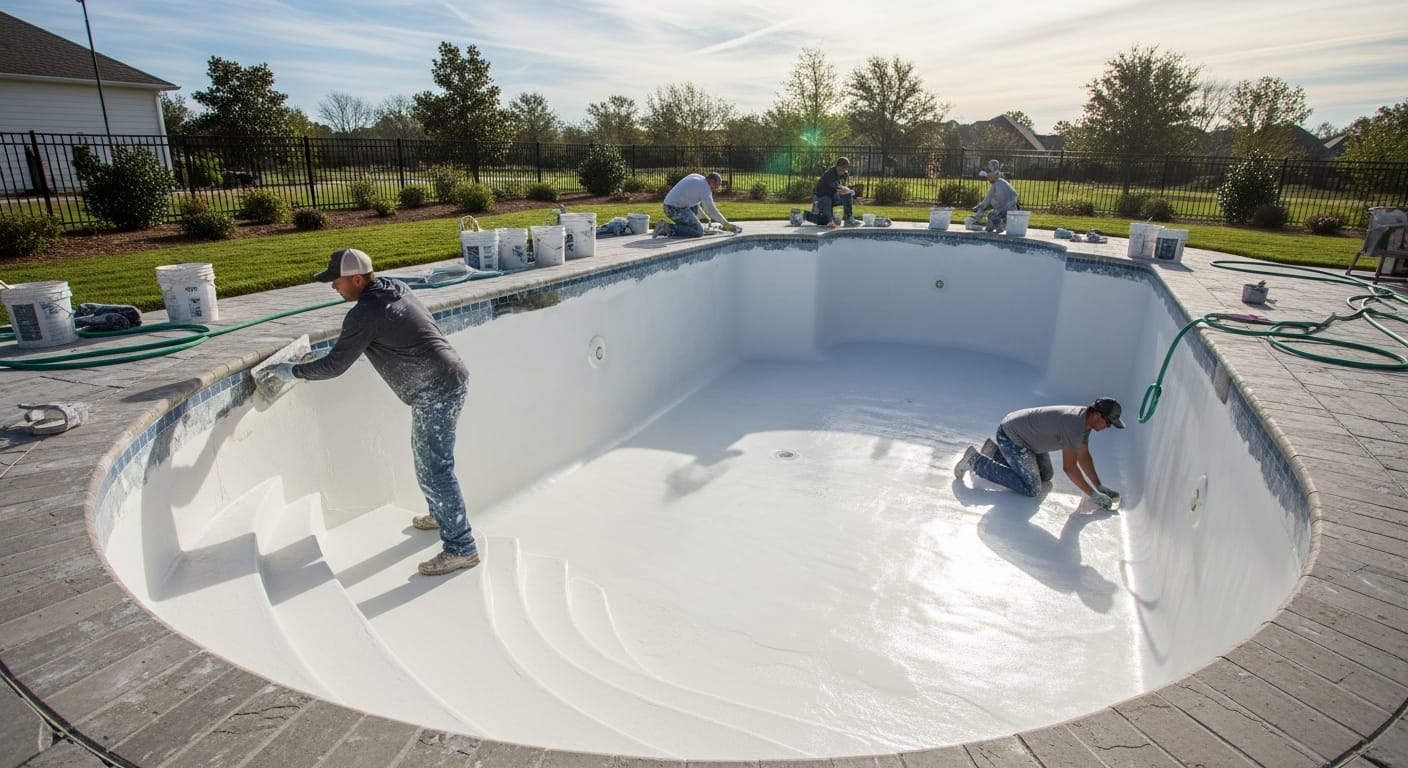
White plaster is the classic pool finish and the most affordable. It gives that bright, clean, light-blue water look that many people picture when they think of a pool. Modern plaster blends are smoother and more durable than older formulas.
The trade-offs are lifespan and staining. Plaster typically lasts around 7 to 12 years and is more prone to etching, staining, and showing wear over time, especially if water chemistry is not kept balanced. For a budget-conscious remodel with a timeless look, it is still a perfectly good choice.
Pebble finishes (Pebble Tec, PebbleSheen)
Pebble finishes blend small natural pebbles into the surface for a richer, more natural appearance and a wide palette of water colors, from tropical blues to deep lagoon greens. They are durable and can last 15 to 20 years or more.
Pebble is extremely tough and stain-resistant, but the texture is more pronounced than plaster or quartz, which some swimmers find slightly rough on bare feet. Smaller-pebble products like PebbleSheen offer a more refined texture if you want pebble durability with a smoother feel.
Quartz finishes
Quartz finishes blend crushed quartz aggregate into the plaster, landing between standard plaster and pebble on both cost and performance. Quartz is harder and more stain- and chemical-resistant than plain plaster, lasts longer, and comes in attractive colors with a subtle sparkle.
Many DFW homeowners see quartz as the sweet spot: noticeably more durable and better-looking than white plaster, smoother underfoot than pebble, and more affordable than a pebble finish. Branded quartz products are a common, well-regarded choice.
How to choose
If budget is the priority and you like the classic look, plaster works. If longevity and a natural look matter most, pebble is the strongest performer. If you want a balance of durability, comfort, and color without the top-end price, quartz is often the ideal middle path.
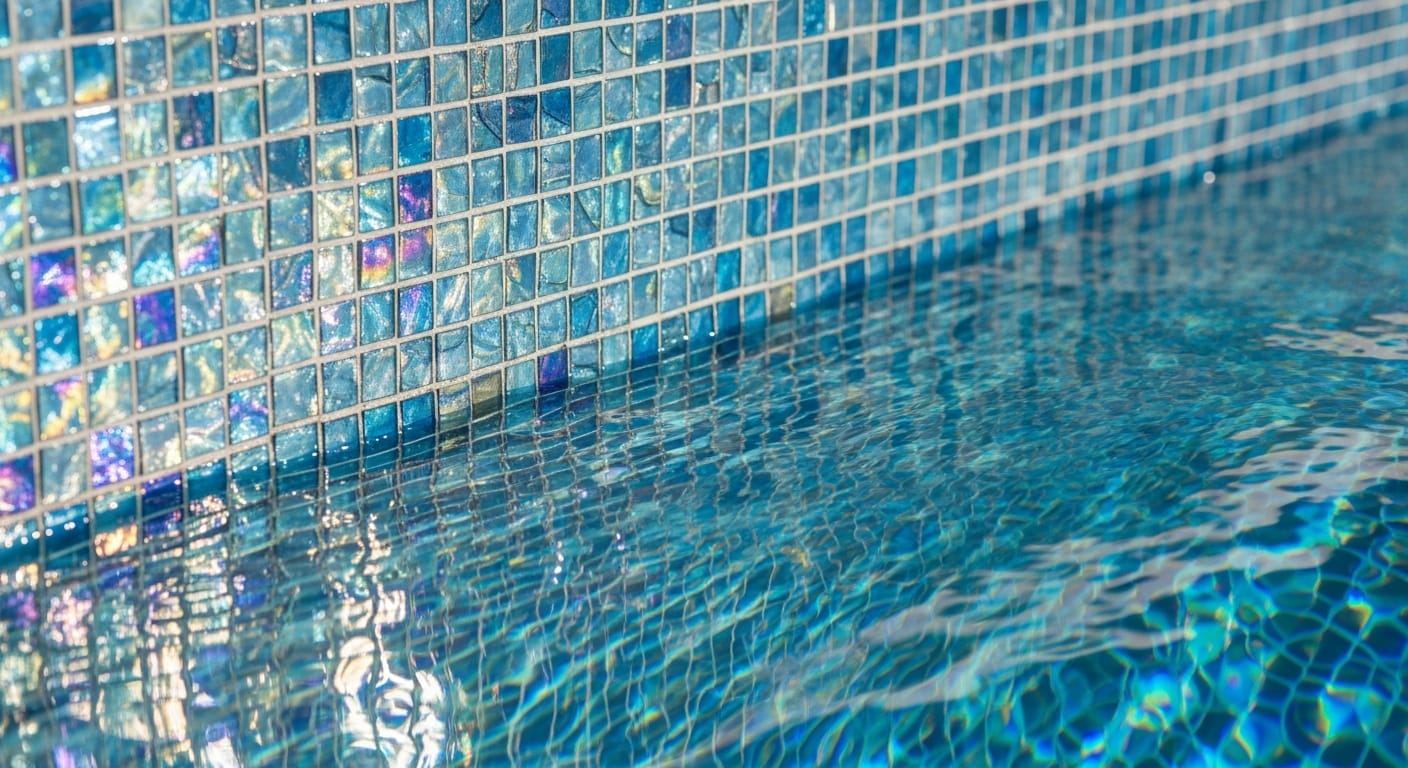
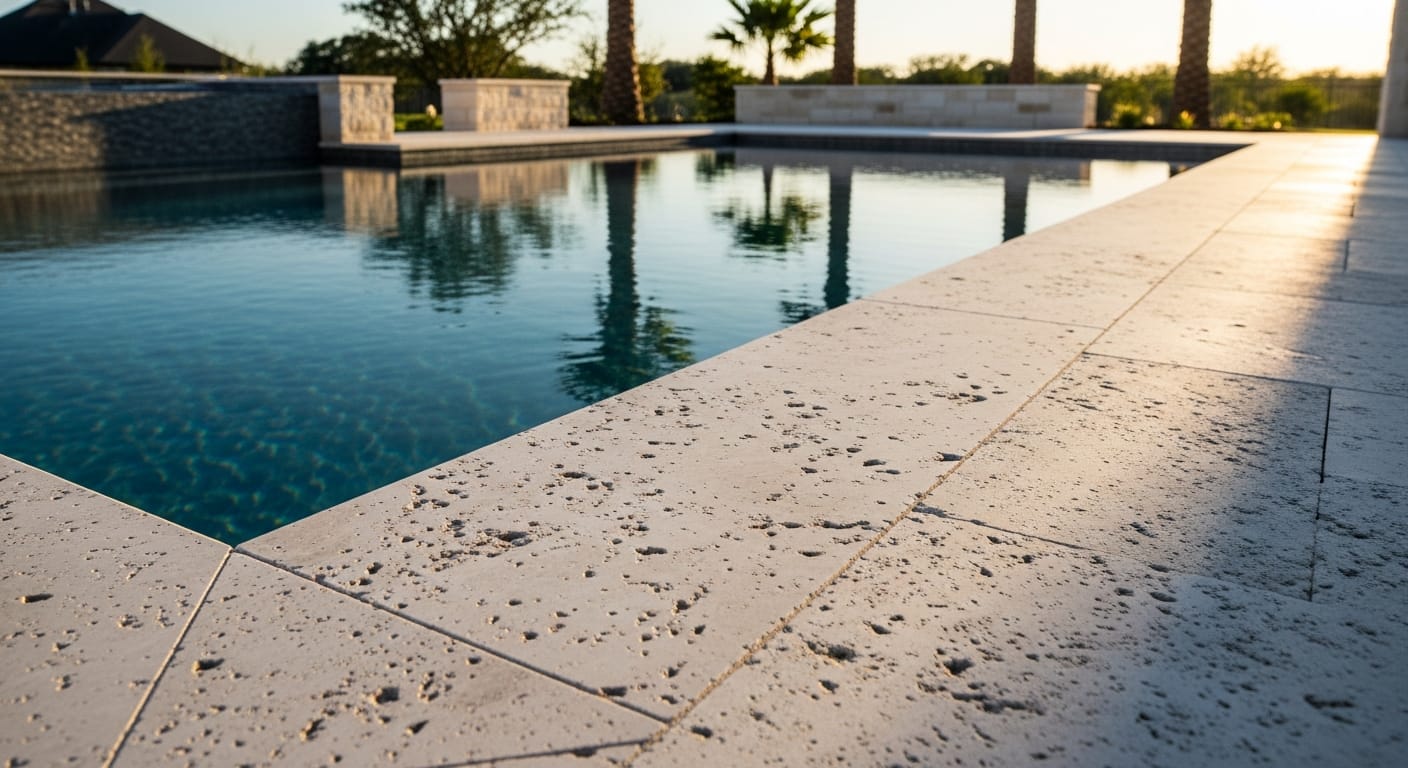
Water color also depends on the finish color you select, so we always show samples in your backyard light. During your consultation we will help you match the finish to your goals, your decking and tile, and your budget.
Ready to start your project?
Schedule a free on-site consultation and we will help you plan a pool built for your backyard and budget.
Get a Free Quote